Think You Got a Deal? Here's What Fake Tickets Really Cost You
That ticket deal could cost you everything. Learn why buying from unofficial sellers means lost cash, fake tickets, and humiliation at the gate.
It’s one day to your favorite event. You click on the event link, and see the ticket button says "SOLD OUT" in bold letters. Your heart sinks. This is the event of the year, the one everyone's been talking about for months. Your friends are going, and your entire timeline on all your social media apps are buzzing about it.
You have some hope though, so you close the event page and post that tweet you’ve seen other people have some luck with “Who has X event tickets for sale?” You refresh your timeline obsessively, hoping for a miracle. Then it happens. Someone replies your tweet saying they have some tickets for sale. Or maybe it's your friend's cousin's neighbor who knows someone selling. The price is double what the original tickets cost, sometimes triple. But you're desperate. You've already imagined yourself there, already planned your outfit, and already told people you won’t miss it.
So you buy the ticket. You send them the money, maybe through a bank transfer, or mobile money, or even meeting them in a parking lot of the event with cash. You get a screenshot of a ticket, or a promise that "the ticket will be sent closer to the date."
And then everything goes wrong.
The Real Price of Buying Tickets Outside Official Ticketing Platforms
Most people buying tickets from unofficial sources are usually paying significantly **more than face value. A ticket that originally cost ₦15,000 is going for ₦40,000 from "a guy who knows a guy." And because the FOMO is real and everyone you know is going, you convince yourself it's worth it.
But here's what that "worth it" decision really costs you. And we think it's way more than just the inflated price you paid.
Reason #1: You'll Lose Your Money With Zero Recourse
So you've just transferred ₦50,000 to someone for a ticket and they tell you they’ll send you your ticket a few days to the event. They seem nice and responsive at first. So everything is alright, right?
Now it’s three days to the event and you send the seller a message asking for your ticket. No response. You message again and still nothing. You check their Twitter profile. It's gone, or worse, it's still there but they've blocked you.
All of this means your money is gone. And the worst part is, you can’t even attend the event you didn’t want to miss.
When you buy through official platforms like Tix Africa, you have buyer protection. You have a customer support team, a paper trail, receipts, and most importantly, recourse. If something goes wrong with your order, there's a process to resolve it. There's accountability.
When you buy from a random seller? You have nothing. No receipt that proves the transaction. No company to complain to, and almost no way to get your money back. You might report their social media account, or report the transaction to your bank, but none of those guarantee you get your money back.
And it's not just the ticket money you've lost. Think about everything else you've already spent in anticipation. The new outfit you bought, and the new hairstyle or haircut you paid for. All of that spending was based on the assumption that you'd actually have a blast at the event. You won't.
Reason #2: You'll Get Turned Away at the Gate (In Front of Everyone)
Now let's imagine a different scenario. You bought the ticket, the seller didn't disappear, and you actually make it to the event venue. You're dressed up, excited, maybe you've even posted on your Instagram story that you're on your way.
You finally reach the front of the queue. The ticketing attendant scans your QR code. He doesn’t give you a branded wristband like he does for everyone else. He scans it again. Still nothing. Your friends who are already inside are calling to ask where you are. He examines your ticket again and delivers the verdict. "This ticket has already been used" or "This ticket is invalid" or simply, "This is fake."
The humiliation is visceral and everyone in line is watching. So you're arguing, pleading, showing them your messages with the seller, trying to explain that you paid to attend this event. But it doesn't matter. Nobody cares about your transaction with some random person online. They care about valid tickets, and yours isn't one.
So you go back home, watch your friends' Instagram stories, and see them have the time of their lives at an event you paid even more than they did to attend.
This isn't a hypothetical scenario. This happens at major events across many major events where ticketing fraud is rampant. The duplicate ticket scam is one of the oldest in the book. Scammers sell the same ticket to multiple people, knowing that whoever scans it first gets in and everyone else gets turned away. Or they create completely fabricated tickets with fake QR codes that look real enough in a screenshot but don't actually exist in any system.
On official ticketing platforms like Tix, each ticket has a unique identifier that can only be used once. On Tix, your ticket is registered to you specifically. It can't be duplicated. It can't be faked. It can't be used by someone else. And if there's any issue, customer support can verify your purchase on the spot.
Reason #3: You're Making the Problem Worse for Everyone
Every time someone successfully buys a fake or overpriced ticket from an unofficial seller, it sends a clear message to scammers. It tells them that this works.
These aren't amateur operations anymore. Ticket fraud has become increasingly sophisticated, with organized networks that specifically target high-demand events.
When you participate in this ecosystem (even as a victim) you're inadvertently funding these operations. The money you send helps them buy better tools, create more convincing fakes, and target more events. You're also signaling to event organizers that the secondary market is where the real action is, which can lead to even more restricted official sales in the future.
When fraud becomes so common, event organizers lose revenue. Venues implement stricter (and more expensive) security measures. Ticket prices go up to compensate for these losses. In a nutshell, everyone suffers because a few bad actors realized they could exploit desperate event attendees.
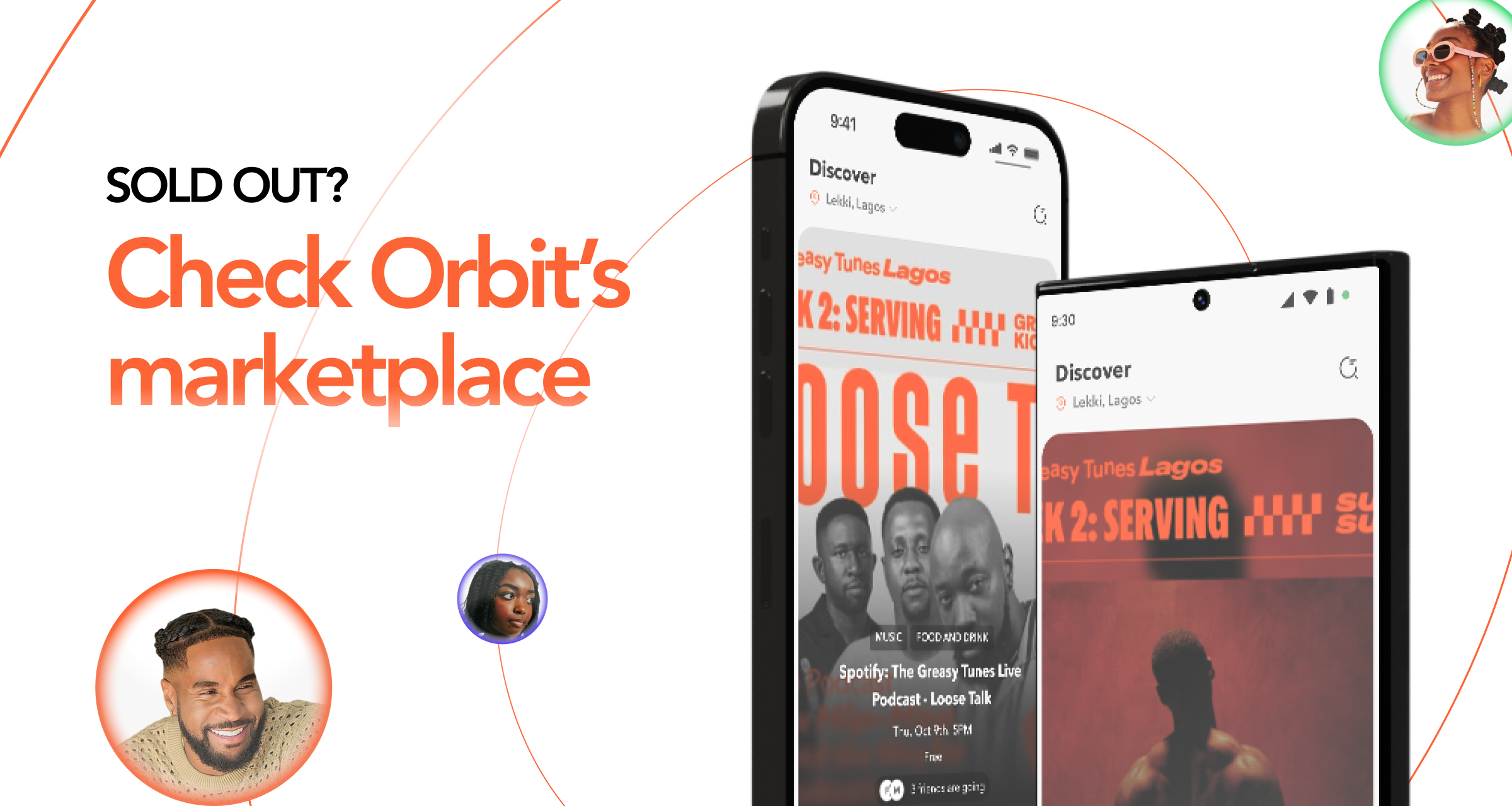
And the thing is, there are legitimate ways to handle ticket resales when plans change. Our Orbit mobile app includes a built-in resale and ticket marketplace feature specifically designed to solve this problem. If someone genuinely can't attend an event anymore, they can list their ticket for resale right on the app, at the same price it was bought. Buyers can purchase these verified, legitimate resold tickets with the same protections they'd get buying a ticket originally.
How to Protect Yourself: The Smart Ticket-Buying Strategy
At this point, you might be thinking: "Okay, but what do I do when tickets sell out in five minutes and I really, really want to go?". Here are some of our thoughts on it.
Be strategic about official sales
Follow the event's social media accounts and turn on notifications. Some events release tickets on the same date and time every month, so set reminders for when tickets go on sale. Have your payment information ready. That’s another way the Orbit app comes in handy. It saves your details and your payment methods so you can buy tickets and checkout in seconds.
Yes, high-demand tickets sell out quickly, but if you're prepared, you can definitely get them from the official channels before they’re all gone.
Recognize the red flags
If someone you don’t know is sliding into your DMs or replying to your tweet offering tickets, especially at prices far from face value (either above or below), be extremely skeptical. If they're sending you screenshots instead of an official ticket transfer, that's a bright red flag.
Use official resale channels
This is super important. With our Orbit app and its ticket marketplace feature, there's now a legitimate way to buy tickets from people who can no longer attend. These are verified resales through the official platform. You get all the same protections as buying a ticket originally, and the seller gets a safe way to recoup their costs. Everyone wins.
What to Do If You've Already Been Scammed
If you're reading this after already falling victim to a ticket scam, first of all, you're not alone, and it's not your fault.
Here's what you should do immediately:
1. Document Everything: Take screenshots of all messages with the seller, the ticket they sent you, the payment confirmation, and their profile (if it's still accessible). Save all of this evidence.
2. Contact the Event Organizer: Let them know what happened. While they're not obligated to refund you, and unfortunately, they probably won't, since you didn't purchase from them directly, they should know that scammers are targeting their event. They might have security measures they can implement or warnings they can issue.
3. Warn Others: This is the most important step. Share your experience on social media (without sharing personal information about yourself that could make you a target for other scams). The more people who know about specific scam tactics, the fewer victims these fraudsters can claim.
4. Report the Seller: If they contacted you through Instagram, Twitter, or any other social media app, report their account. If you have their bank account information, you can report them to your bank as well. Even if nothing immediately comes of these reports, creating a paper trail helps build cases against repeat offenders.
5. Learn and Move Forward: Use this as an expensive lesson. Next time, no matter how desperate you are to attend an event, stick to official channels only. The temporary disappointment of missing out is infinitely better than the lasting frustration of being scammed.
The Bottom Line
The truth is that buying tickets from unofficial sources is never worth it. Even when it "works out" (and it usually doesn't) you've still paid more than you should have and stressed yourself out unnecessarily in the process. You've supported a system that actively harms the events industry and makes life harder for both event organizers and attendees.
So buy smart. Buy safe. Buy from Tix Africa. Your future self will thank you.
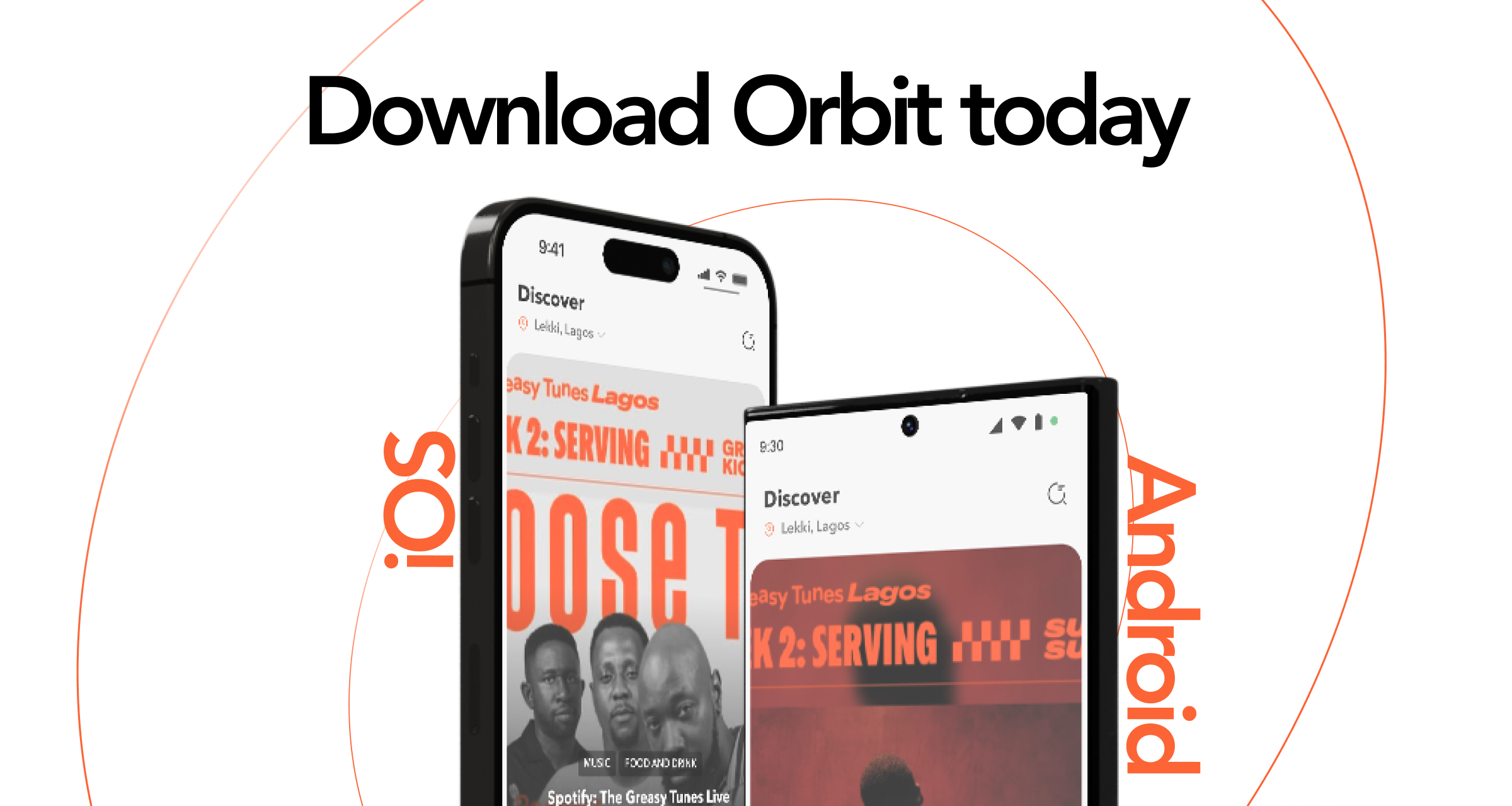
Ready to buy tickets the right way? Download the Tix Africa Orbit app today and buy tickets in seconds!