Africa's Event Creators Deserve Better Infrastructure, Here's Why Tix Is Building It.
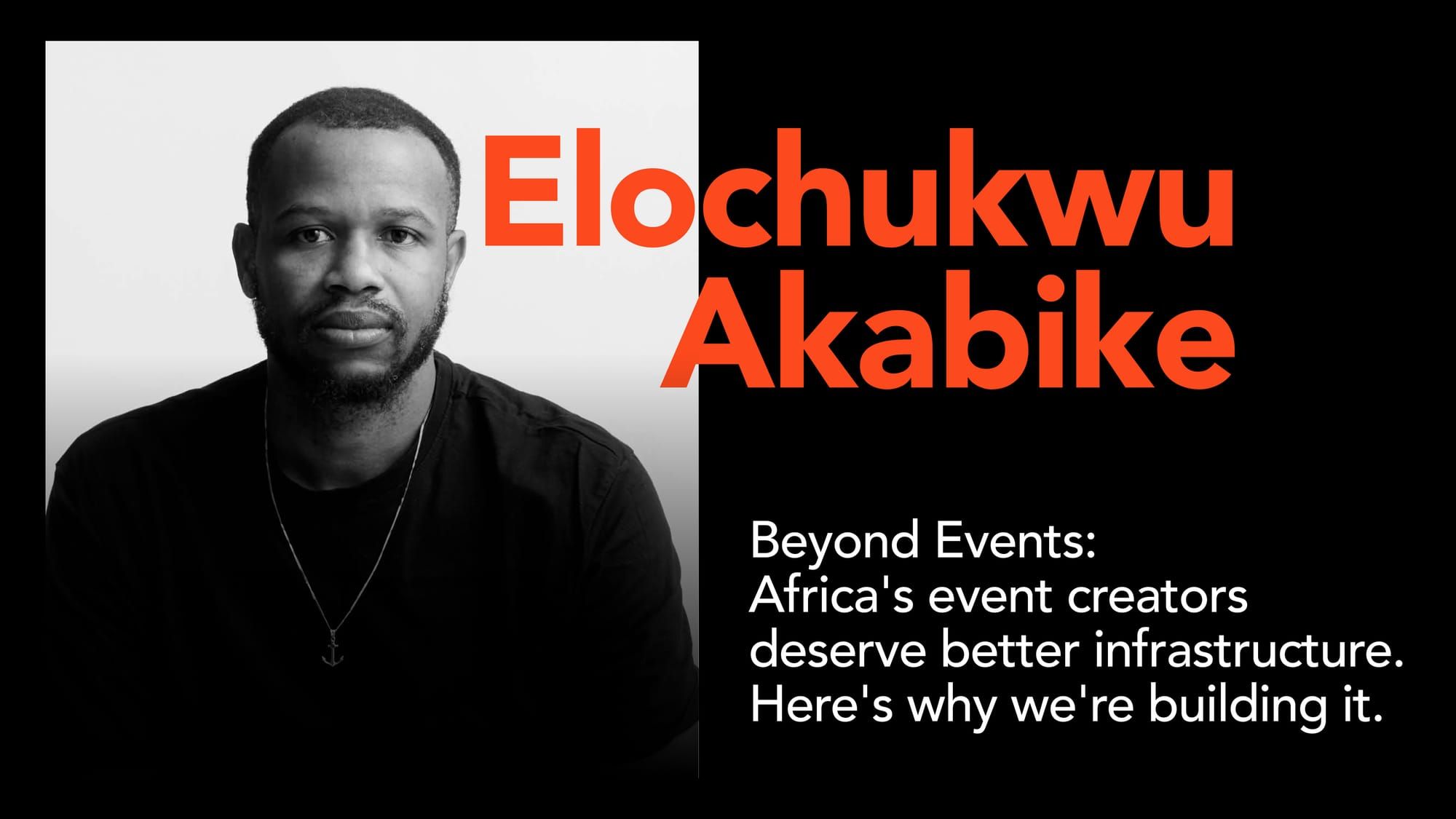
Picture this: It's 2024, and an event organiser in Lagos is still tracking ticket sales in a spreadsheet.A concert organizer in Accra is trying to reconcile ticket purchases across multiple payment channels and WhatsApp conversations, figuring out who has actually completed payment and who still needs a reminder.
A decade ago, the challenges were even more stark. There were no ticketing platforms built for Africa's realities. Tickets moved through informal channels: word-of-mouth, physical outlets or WhatsApp groups. The Experience (held annually in Lagos, Nigeria) highlighted these challenges; while the massive gospel concert is generally free, past logistical issues: including the notorious 2016 edition led to severe crowd control problems, gate-crashing, and chaotic entry lines.
Fraud was rampant, someone could duplicate a physical ticket, and you wouldn't know. Guest lists existed mostly on paper snd spreadsheets attendee data would disappear the moment an event ended, long queues at entrances weren't just inconvenient, they were inevitable.
But here's what struck me: Despite these obstacles, Africa's events industry didn't shrink,It thrived.


Eat Drink Festival
Creators, driven by determination, creativity, and resilience still created festivals like eat drink lagos festival, concerts, conferences and nightlife experiences that attracted thousands. They did what organisers in more developed markets took for granted doing: they grew vibrant, profitable events. They just had to work ten times harder to do it.
That gap between what African event creators deserved and what they actually had access to led to the creation of Tix Africa in 2018.
We Started With The Basics
When I joined Tix Africa as a Product Manager in Lagos, I thought my role would simply be about building better products. Instead, I quickly realised that the real work was understanding the everyday challenges event organisers faced and ensuring Tix continued to solve them in practical ways. Organisers were already using Tix to sell tickets online, check guests in with QR codes, and monitor ticket sales in real time. Seeing how these tools transformed the way events were planned and managed reinforced an important lesson for me: the biggest impact doesn't always come from building the most sophisticated features, but from creating reliable solutions that remove friction from the everyday realities of running events.
Every feature request, every support conversation, every organiser struggling with ticket sales pointed back to the same thing: event creators weren't asking for complex technology, they were asking for better systems they could rely on.
We didn't come in trying to reinvent events, we simply focused on solving the fundamental problems.
Organisers needed to sell tickets online without losing money to intermediaries, they needed to collect attendee data and actually use it, they also needed secure payment processing and reliable payouts.
For the first time, many organisers could answer simple but important questions:
How many tickets did we sell?
Who are our attendees?
How many people showed up?
These questions might sound basic, but for many event creators across Africa, having these answers changed the way they planned and grew their businesses and communities.
Moving from Lagos to lead Tix Ghana gave me a completely different perspective, the market is different, the people are different, the events looked different but the underlying challenges were remarkably the same.
Organisers still want reliability, they want technology that understands their pain point, not software that expected them to change everything about their process.
That transition taught me that building across Africa isn't about copying what works in one market and dropping it into another. It's about listening deeply enough to understand the local context while solving universal problems.
The more conversations I had with organisers in Ghana, the more one thing became clear, ticketing was never the whole story.
Event organisers aren't simply looking for somewhere to sell tickets, they were looking for infrastructure. They needed better marketing tools, better guest management, payment systems that worked seamlessly across African markets, faster check-ins, real-time audience insights and most importantly, access to the resources that would help them grow.
Those conversations continue to shape how I think about this work today.
Whether I'm working with organisers in Lagos, Accra, or anywhere else on the continent, the goal remains the same: build technology around the realities of African event creators, not around assumptions borrowed from somewhere else.
That's what excites me most about this journey. We're not just improving ticket sales, we're helping build the infrastructure that allows Africa's event economy to scale, empowering event organisers to scale confidently, attracting investment into Africa's events ecosystem. We are proving that tech companies can build solutions that are globally competitive.
Africa's event organisers already do a good job at creating remarkable experiences despite the obstacles, Imagine what they'll create when those obstacles become easier to overcome. That's the future we're building toward at Tix.
Ready to create your next memorable experience?